- Get Nerdy With AI
- Posts
- Why AI’s Biggest Breakthroughs Are Happening Out of Sight 🕶️
Why AI’s Biggest Breakthroughs Are Happening Out of Sight 🕶️
Inside: Should You Buy an AI PC in 2025? Here's What You Need to Know 🤖

Samantha Vale
January 20, 2025

Hey there, Tech Trailblazers! 🤖✨
This week’s newsletter takes you into the heart of innovation, where some of the biggest AI breakthroughs are happening—quietly.
From unseen advancements reshaping industries to technology redefining how we connect with the past, the stories we’re sharing today will make you see the world a little differently. And if you’re eyeing the next big thing in personal tech, we’re uncovering whether AI-powered PCs are worth the hype.
Curious? You should be. Let’s dig in and uncover what’s really shaping tomorrow.
📰 Upcoming in this issue
Why AI’s Biggest Progress Is Happening Out of Sight 🧠
Logging Off Life, Living Forever: How AI Is Redefining Death and Immortality 💻
The Future of Computing Is Here: Should You Buy an AI PC in 2025? 🚀
📈 Trending news
HTML in 2025: What’s Changing and Why It Matters to You
Non-Human Identity Risks You Can’t Ignore in 2025
Accessibility Unlocked: Must-Know Essentials for Front-End Developers
Why AI’s Biggest Progress Is Happening Out of Sight 🧠 read the full article here
Article published: January 2025

AI is evolving at lightning speed, but here’s the catch: much of this progress is happening behind the scenes. Time’s “Why AI Progress Is Increasingly Invisible” pulls back the curtain on how AI advancements are weaving into our everyday lives in ways we hardly notice.
From subtle personalization algorithms to seamless automation in healthcare and finance, AI is quietly reshaping industries without the flashy headlines of ChatGPT-like breakthroughs. This “invisible AI” is focused on optimizing systems and processes—things we don’t see but feel in improved services and experiences.
But is this quiet integration a double-edged sword? With progress harder to spot, are we at risk of overlooking critical discussions on transparency, bias, and accountability?
The future of AI is everywhere, but not always in plain sight.
Key Takeaways:
🕵️ AI is everywhere—but unseen: The most significant advancements are powering behind-the-scenes systems in healthcare, logistics, and finance.
⚙️ Optimization over spectacle: AI is quietly perfecting processes, focusing on subtle improvements instead of headline-grabbing innovations.
🌐 Integration breeds invisibility: As AI becomes a seamless part of everyday life, its presence is harder to detect—and debate.
⚠️ The risks of invisibility: Without visible AI breakthroughs, issues like bias and accountability risk flying under the radar.
Logging Off Life, Living Forever: How AI Is Redefining Death and Immortality 💻 read the full article here
Article published: January 8, 2025

Imagine attending a loved one’s funeral where the person who passed away speaks directly to you—answering questions and sharing memories as if they were still alive. This isn’t science fiction. It’s happening now.
The Conversation’s “Logging off life but living on: How AI is redefining death, memory, and immortality” explores the mind-bending reality of AI-powered “digital immortality.” With tools like AI chatbots and virtual reality, the boundaries between life and death are blurring. Companies like Microsoft and StoryFile are already using data—emails, social media posts, even voice recordings—to create eerily lifelike digital versions of deceased individuals.
But as comforting as this technology might sound, it raises profound ethical and emotional questions. Who owns your digital afterlife? Could grief become more complicated when a loved one’s “digital self” continues to interact with the living?
We’re building digital pyramids—legacies that won’t just preserve memories, but will actively influence the future. Are we ready for this brave new world?
Key Takeaways:
💬 Digital conversations with the deceased: AI tools now enable realistic interactions with loved ones who’ve passed away, merging pre-recorded data with advanced tech.
🌐 Ownership dilemmas: Who controls your online presence after death? Courts and governments are still grappling with these complex questions.
🧠 Grief in the AI era: Psychologists warn that staying “connected” to digital versions of loved ones could make it harder for people to process loss and move forward.
🎭 Cultural and ethical challenges: From Buddhist temples offering digital graves to deepfake controversies, societies worldwide are grappling with how AI reshapes remembrance and legacy.
The Future of Computing Is Here: Should You Buy an AI PC in 2025? 🚀 read the full article here
Article published: January 5, 2025
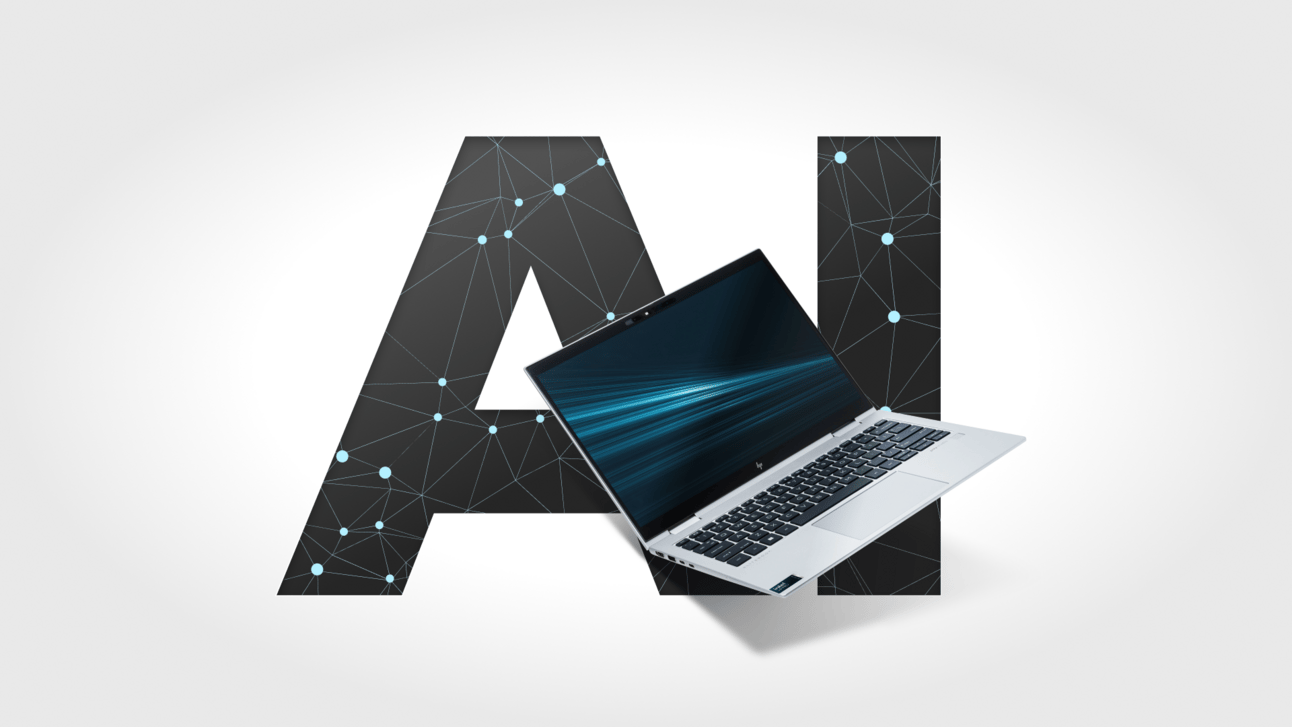
Picture a PC that doesn’t just process your tasks but thinks alongside you—handling complex AI workloads, crafting hyper-personalized content, and running cutting-edge tools entirely on its own. Welcome to the era of AI PCs, where machines are built to do far more than compute.
In ZDNet’s “What is an AI PC exactly? And should you buy one in 2025?”, you’ll learn how AI PCs redefine personal computing. These aren’t your typical laptops—they come equipped with neural processing units (NPUs), specialized chips that supercharge AI tasks like training models, running simulations, and powering local versions of Microsoft Copilot. Plus, with on-device processing, your sensitive data never has to leave your machine.
Apple, Microsoft, and Intel are leading the charge, but is this the upgrade you really need? Dive in to see whether AI PCs are the future of productivity—or just flashy tech with limited appeal.
Key Takeaways:
🧠 Next-gen capabilities: AI PCs can handle advanced AI tasks like generative models and real-time simulations, all without needing the cloud.
🔒 Privacy meets performance: Thanks to local NPUs, AI PCs keep your data secure and independent of internet connections.
🖥️ Tech titans onboard: Microsoft’s AI PCs support Windows 12 with dedicated Copilot keys, while Apple’s “Intelligence Ready” hardware supports AI even on older M1 chips.
🤔 Should you buy?: If you rely on AI-driven workflows or crave seamless on-device AI, an AI PC might just be your ultimate productivity boost.
Why It Matters
The future is arriving faster than we realize, and it’s not always easy to spot.
AI is quietly rewriting the rules of how we live, work, and even remember. While we enjoy the conveniences it brings, we also need to ask the tough questions: Who’s in control? What are we losing in the process? Whether it’s invisible AI transforming industries, digital immortality redefining grief, or AI PCs revolutionizing work, these innovations demand our attention—not just our admiration.
Staying curious and engaged is how we shape the future, not just adapt to it. Until next time, let’s keep questioning, learning, and leading.

Samantha Vale
Editor-in-Chief
Get Nerdy With AI