- Get Nerdy With AI
- Posts
- Bridging the AI Skills Divide 🤖
Bridging the AI Skills Divide 🤖
Your Playbook for Building Tomorrow’s Talent

Samantha Vale
May 19, 2025

Hey there, Tech Trailblazers! 🤖✨
In this edition, we’re tackling the widening AI skills gap, exploring OpenAI’s brand-new coding agent, and marveling at MIT’s protein-mapping breakthrough.
📰 Upcoming in this issue
🤖 The AI Skills Gap Is Growing — Here’s How to Close It
🤖 OpenAI Unveils New AI Coding Agent
🧬 MIT AI Predicts Protein Locations in Human Cells
📈 Trending news
🤖 The AI Skills Gap Is Growing — Here’s How to Close It

With demand for AI talent soaring, businesses must get creative to keep up.
Key Takeaways:
📚 Upskill from Within: Investing in internal training and certification programs is often faster and more cost-effective than hiring new talent.
🧠 Focus on Fundamentals: Building strong data literacy across departments lays the groundwork for more advanced AI adoption.
💼 Rethink Roles: Many non-technical professionals can learn no-code AI tools to boost productivity and insight.
🌐 Leverage Partnerships: Collaborating with universities, tech vendors, and online platforms helps scale access to AI education.
🤖 OpenAI Unveils New AI Coding Agent
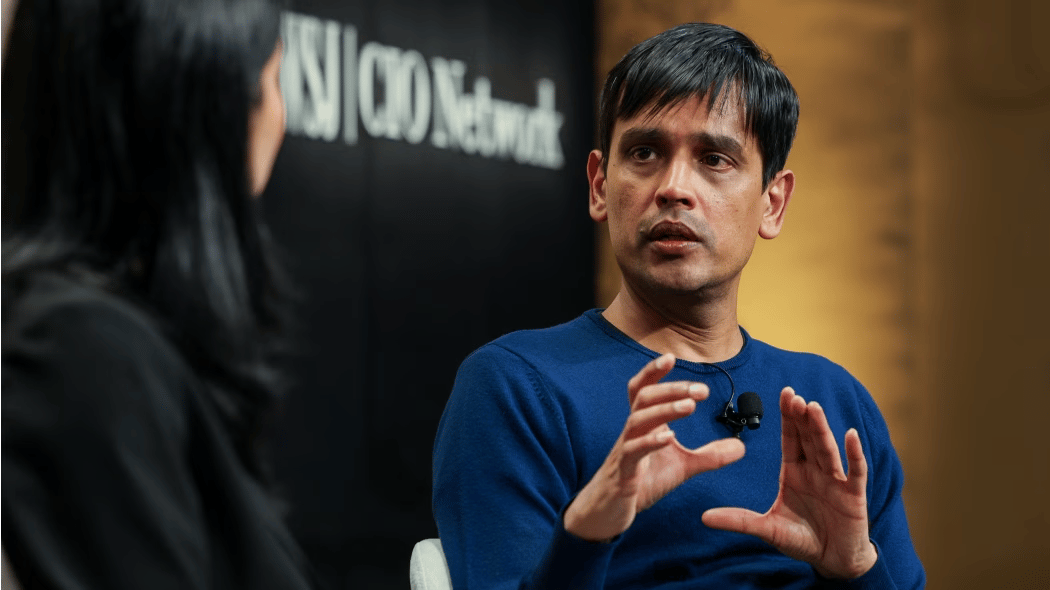
OpenAI’s latest tool can take on full software projects—with minimal human input.
Key Takeaways:
💻 Beyond Autocomplete: This AI agent goes far beyond suggestions—it can plan, write, and debug entire codebases.
⚙️ Project Manager + Developer: It breaks tasks into subtasks, searches documentation, and executes code, mimicking a junior developer.
🔒 Security at the Forefront: OpenAI is rolling out the tool cautiously, with red-teaming and collaboration from early partners like GitHub and Atlassian.
🚀 New Era of Software Dev: If successful, this could massively accelerate product development and reshape engineering workflows.
🧬 MIT AI Predicts Protein Locations in Human Cells

A new deep-learning model can map where proteins reside inside cells—with remarkable accuracy.
Key Takeaways:
🧠 AI Meets Cell Biology: MIT researchers developed a model that uses deep learning to predict the subcellular location of proteins.
🔬 70+ Organelle Categories: The model can identify protein locations across more than 70 distinct cellular compartments.
🚀 Big Leap in Biotech: This breakthrough could accelerate drug discovery and help scientists better understand disease pathways.
🧩 Filling the Data Gap: It helps overcome the limitations of traditional imaging and experimental data by learning from incomplete datasets.
Why It Matters
As AI reshapes every industry, closing talent gaps, supercharging development, and accelerating biotech discoveries today means staying competitive—and making real-world impact—tomorrow.

Samantha Vale
Editor-in-Chief
Get Nerdy With AI