- Get Nerdy With AI
- Posts
- AI Aftershock Models Move from Hours to Seconds 🤖
AI Aftershock Models Move from Hours to Seconds 🤖
From Quake to Risk Map in a Few Heartbeats

Samantha Vale
November 25, 2025
In partnership with

Shoppers are adding to cart for the holidays

Over the next year, Roku predicts that 100% of the streaming audience will see ads. For growth marketers in 2026, CTV will remain an important “safe space” as AI creates widespread disruption in the search and social channels. Plus, easier access to self-serve CTV ad buying tools and targeting options will lead to a surge in locally-targeted streaming campaigns.
Read our guide to find out why growth marketers should make sure CTV is part of their 2026 media mix.

Hey there,
What happens when AI moves from buzzword to life-and-death decisions, lab breakthroughs, and your actual dev workflow? In this issue, you will see models that forecast aftershocks in seconds, tools that help diagnose rare diseases at scale, and a hands-on look at Google’s new Antigravity coding assistant.
It is a quick tour of AI that feels very real-world, not just research headlines.
📰 Upcoming in this issue
🤖 AI Tools Forecast Aftershock Risk in Seconds
🧬 PopEVE Flags Rare-Disease Genes, 1-in-3 Diagnoses From 30k Cases
🧪 Antigravity Hands-On: What Google’s New Code Tool Nails and Misses
📈 Trending news
GPT 5 Emerges as a Lab-Side Research Partner
Climate Advocates Push Harder on AI Transparency
AI Curates Endless Shelves for Gen Z Carts
🤖 AI Tools Forecast Aftershock Risk in Seconds

AI earthquake tools now forecast aftershock risk just seconds after a major tremor. Trained on global quake data, they give authorities rapid, life-saving guidance.
Key Takeaways:
🌍 Machine Learning Beats the Clock: New AI models forecast where and how many aftershocks may strike within seconds, compared with hours or days for traditional methods.
📚 Global Data Trains the Models: Researchers train the tools on earthquake records from California, New Zealand, Italy, Japan, and Greece so forecasts generalize across tectonic settings.
🚨 Rapid Support for Authorities: Fast aftershock forecasts help authorities decide on evacuations, inspections, and resource deployment in disaster zones while seismic crises continue evolving.
⚙️ Comparable Accuracy, Lower Cost: AI tools match the widely used ETAS model in forecast quality yet deliver results in seconds using far less computing power.
🧬 PopEVE Flags Rare-Disease Genes, 1-in-3 Diagnoses From 30k Cases
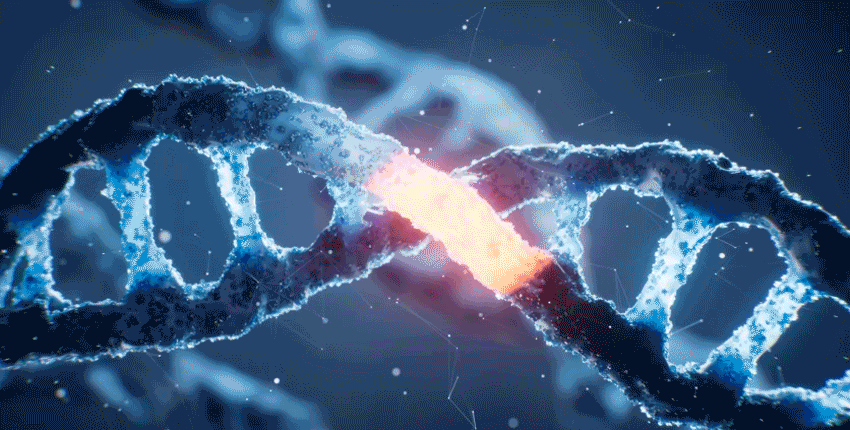
Harvard researchers introduced PopEVE, a genome-scoring model that spots disease-causing variants and speeds rare-disease work. In 30,000 severe developmental disorder cases, it helped unlock diagnoses in about one-third. It also mapped 123 new gene links, with 25 later confirmed, and showed no ancestry bias.
Key Takeaways:
🧪 1-in-3 Diagnoses: Tested in 30,000 undiagnosed developmental disorder cases, the tool surfaced leads that enabled diagnoses in about one-third.
🧬 123 Gene Hits: Flagged variants on 123 genes linked to developmental disorders, with 25 independently confirmed by other labs.
🔎 Cross-Gene Scoring: Blends evolutionary signals with human population data to rank variant severity across genes, without ancestry bias.
🚪 Clinic On-Ramp: Public portal is live, with testing by Boston Children’s, CHOP, and Genomics England in real settings.
🧪 Antigravity Hands-On: What Google’s New Code Tool Nails and Misses

The New Stack test-drove Antigravity for developers, focusing on setup, workflows, and code results. Early read points to clean onboarding and strong agent control, with friction from usage credits and provider queues. The hook is verifiable artifacts and a Manager view that runs parallel tasks for bigger builds.
Key Takeaways:
🧭 Two Views, One Goal: Editor mirrors a familiar IDE, and Manager orchestrates agents across workspaces for parallel tasks.
🧾 Proof You Can Check: Runs produce “artifacts” like task lists, screenshots, and browser recordings for easy verification.
🆓 Free Preview, Caps Apply: Public preview on Windows, macOS, and Linux with generous rate limits and third-party model support.
🧱 Early Frictions: Testers report credits draining fast and “provider overload” errors during peak hours.
📊 Take This Edition’s Poll:
Why It Matters
These stories show AI stepping into critical roles, from disaster response and clinical genetics to how engineers ship code.
Understanding what these tools actually do, where they still fall short, and how they are tested in practice helps you separate substance from hype.
Until our next issue,

Samantha Vale
Editor-in-Chief
Get Nerdy With AI
P.S. Interested in reaching our audience? You can sponsor our newsletter here.